
Thursday 6th August 2026 - A Wall and Larvae

One of our afternoon walks this week, was a stroll along the coast path before cutting across the golf course, down the side of Overstrand Hall and into the village. Not many people on the path and similar on the golf course. Passing by blackberry brambles, I spotted a butterfly which initially looked like a Small Copper. Given butterflies don’t always rest for too long, I was lucky to see the underwings on this one; it wasn’t a Small Copper. Back home, I consulted my comprehensive butterfly book, Britain’s Butterflies by David Newland, David Tomlinson, Robert Still and Andy Wash, which confirmed it was a Wall. This is a first for me, which I can now add to the list of butterflies I’ve seen since moving to Overstrand. I’ve just stopped writing to go through my book and count the number of species I’ve seen. This totals twenty-four out of the fifty-nine species which can be found in Britain and Ireland, not including infrequent visitors. I will never see all fifty-nine as a number are regional and would involve some lengthy trips to see.
One of the many things I like about gardening is; there’s always something new to learn. Recently, I’ve found out, I’ve been putting grease bands round the trunks of our fruit trees too late. As the name suggests, this is a very sticky procedure, one which I do late winter early spring. However, reading in one of our books, which covers what you should be doing each month in the garden, I discovered applying bands should be done in November. I wondered if the reason why we have larvae (look like pink caterpillars/maggots) in pretty well all our greengages this year, is because I’ve been applying the bands too late. Following research on the internet, the larvae have nothing to do with late application of the bands. The larvae, produced by plum moths, burrow into the fruit and feed around the stone before emerging to overwinter in cocoons under loose bark. So that’s two things I’ve learnt – put grease bands on fruit trees in November and remove and destroy greengages just as soon as they have a hole in them; before the larvae have an opportunity to re-emerge and overwinter on the tree.
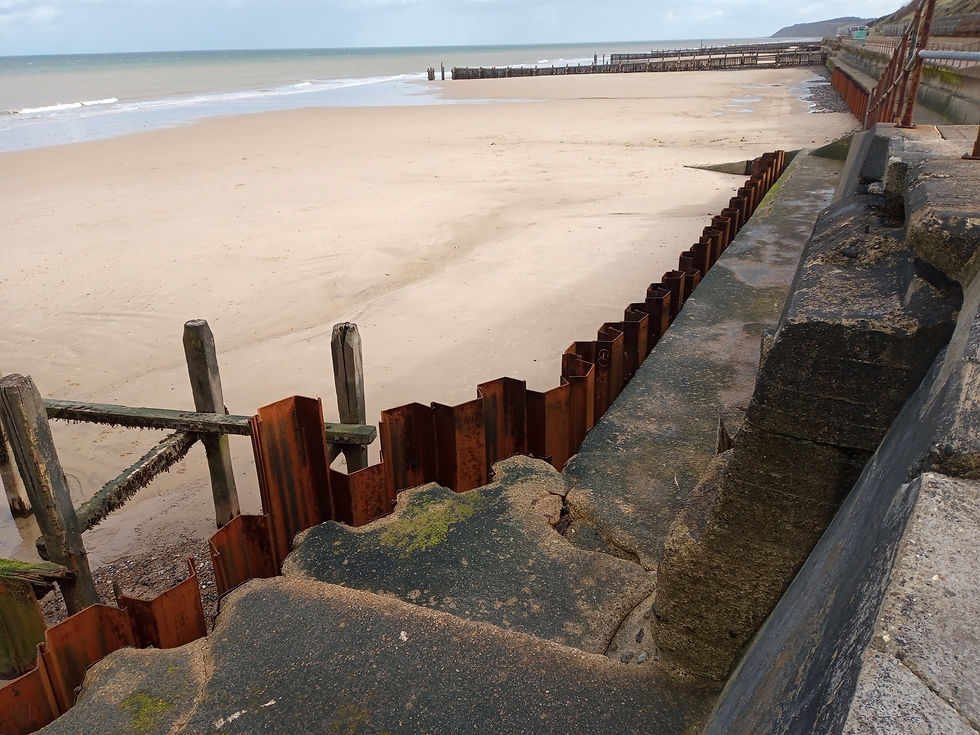
That’s where I’m off to now, to remove affected greengages but before I do, here is today’s photo taken on our cliff top walk. The grasses and plants may be brown and dry but both the sea and sky where beautiful shades of blue.


Comments